
Termites vs Flying Ants in Reserve, LA: How to Tell the Difference
Seeing winged insects in or around your home can make anyone nervous. Many people spot these insects near windows, doors, or porch lights and assume they are harmless ants. In reality, the insects might be termites, and that difference is important. When termites are involved, your home could already be facing hidden damage. These insects eat wood quietly, and many homeowners do not realize they are present until they spot swarmers. If you think the insects in your home may be termites, contact us today at 985-467-0920 for guidance and support.
Flying ants may look similar at first glance, but their behavior and risk level are completely different. Flying ants are bothersome and may gather in groups, but they do not cause the type of harm that wood eating insects do. Learning the main differences helps you stay calm and choose the right next steps.
Physical Differences You Can Check Right Away
You do not need special equipment to compare flying ants and wood eating insects. A quick look at three key features can help you decide which insect you are dealing with.
Waist Shape
Termites have straight bodies with no narrow middle area. Their shape looks smooth all the way down. This feature is one of the most noticeable ones once you know how to look for it. Flying ants have a clearly pinched waist, making their bodies look divided into three sections.
Antenna Shape
Termite antennae stand straight out without sharp angles. Flying ants have bent antennae that form an elbow shape.
Wing Shape
Termite wings are equal in length and extend beyond the body. Flying ants have wings of different sizes, with the front wings much larger than the back wings.
When you check these three features together, identifying the insect becomes much easier. If you see straight bodies, straight antennae, and wings that match in size, you may be dealing with termites instead of ants.
Why Indoor Swarmers Signal Trouble
Swarmers are the reproductive members of a colony. They leave the nest to start new colonies and are often the first visible sign of a bigger issue. Many homeowners see swarmers and assume the problem is outdoors, but that is not always true.
Swarmers Indoors Mean a Likely Infestation
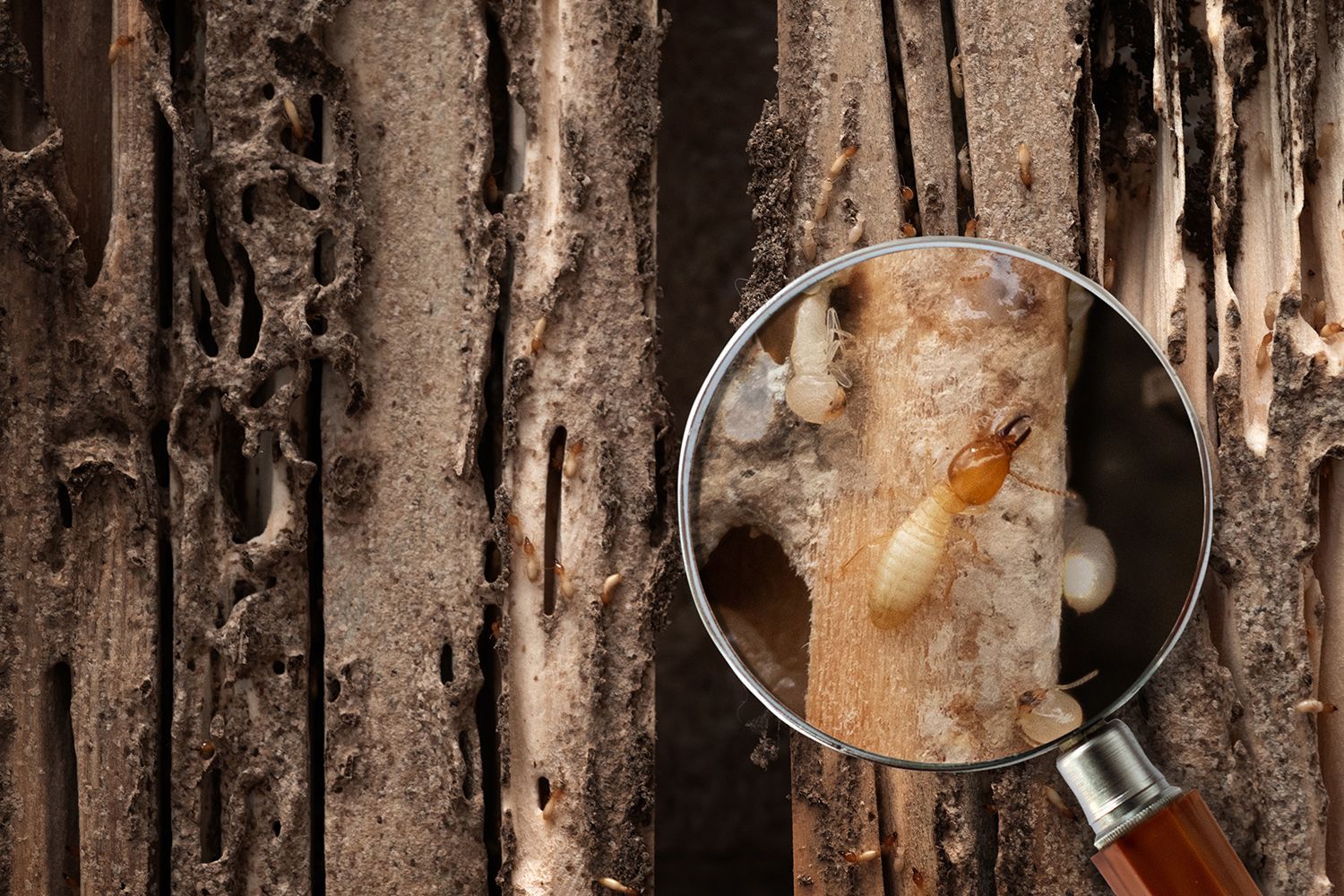
If you notice swarmers inside your home, it usually signals an active colony somewhere within the structure. These insects do not simply wander indoors for no reason. Their presence often means they have been developing inside wood and are now emerging into the open. When this happens, you may need termite extermination because indoor swarmers are one of the most reliable signs of hidden activity.
Outdoor Swarmers Do Not Always Mean Damage
Finding winged insects outdoors can still be concerning, but it does not always mean your home has a problem. They may be coming from tree roots, fallen limbs, or other wood in your yard. Even so, outdoor swarmers are a reminder to stay alert, especially if your home has older wood or moisture issues.
A Common Mistake That Delays Treatment
Many homeowners see winged insects and quickly reach for an aerosol spray. It feels like a fast solution, but this approach can cause more harm than good.
Why Aerosol Sprays Do Not Work
Sprays only kill the insects you can see. Even if every swarmer falls to the ground, the main colony is still alive and active. The workers inside the structure continue to feed and grow the colony. This is why termite extermination must be handled by a trained professional instead of using do it yourself sprays.
Delaying Treatment Allows Damage to Spread
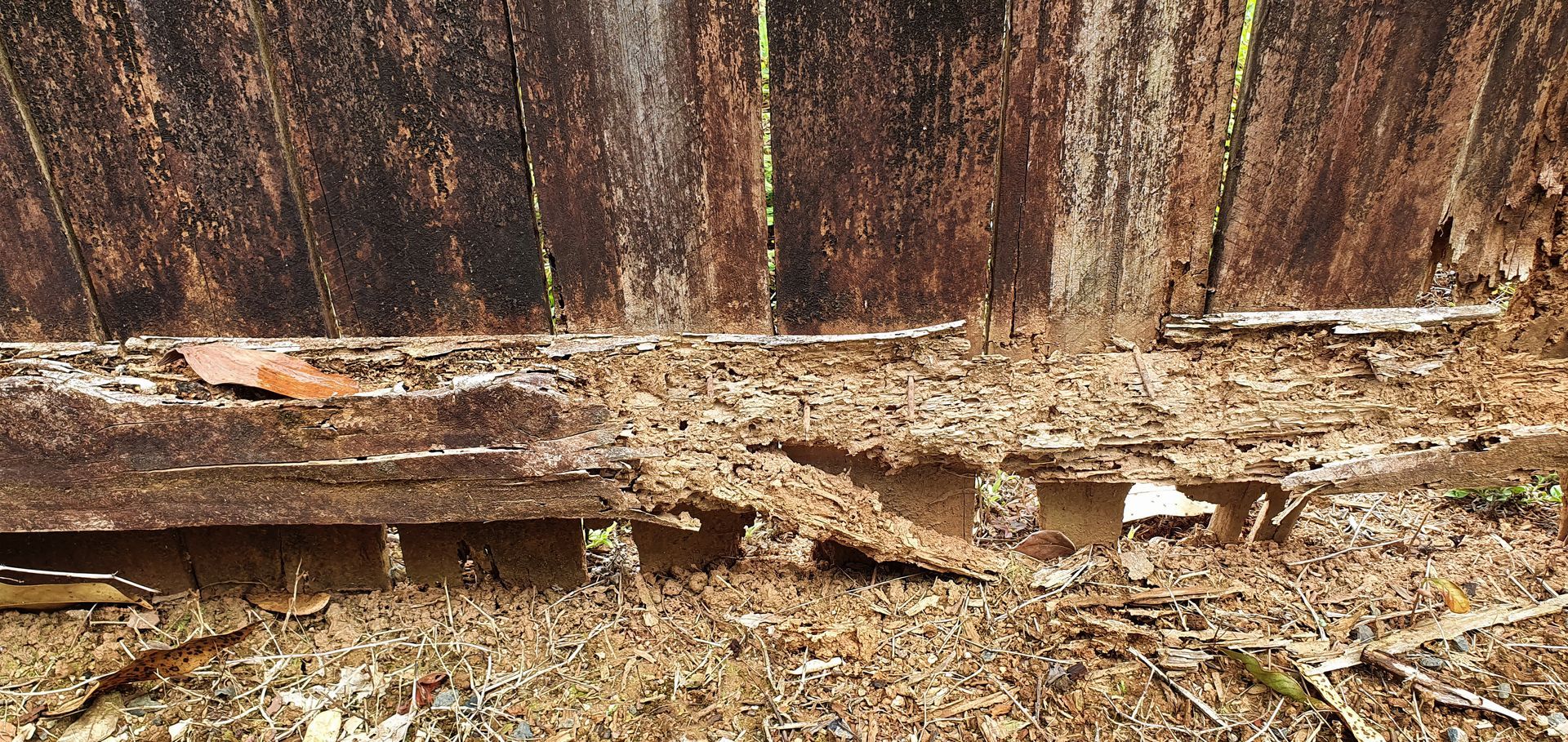
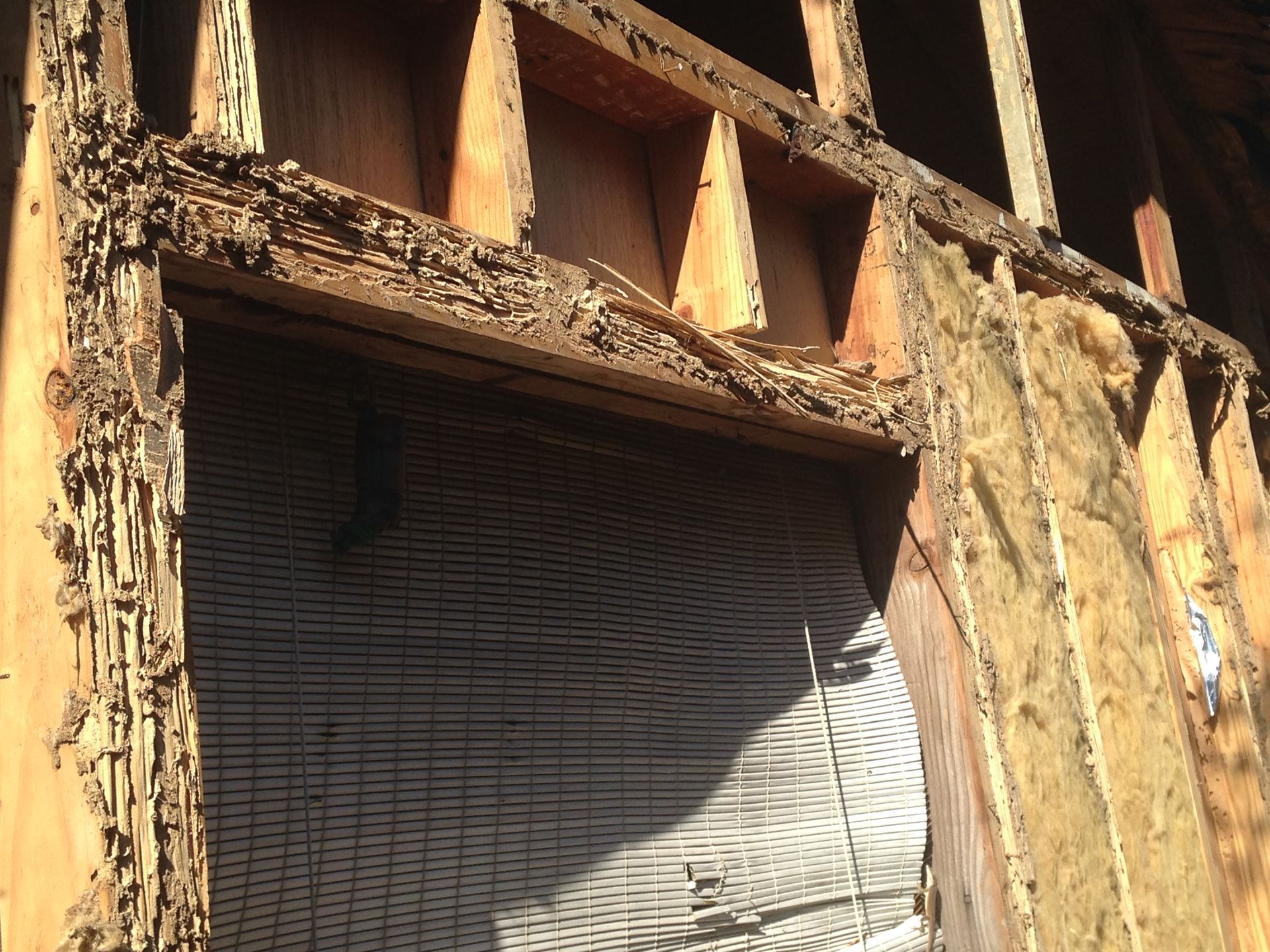
Some homeowners assume the absence of visible insects means the issue is gone. Meanwhile, the colony continues to eat deeper into the home. By the time signs appear on the surface, repairs may be costly. A fast response helps prevent structural weakening and protects your home from long term problems.
A Clear Action Plan if You Suspect Termites
If you see winged insects but are unsure what they are, follow these simple steps before taking action.
Step 1: Do Not Disturb the Area
Leave wings, insect bodies, and mud tubes untouched. These details help with identification.
Step 2: Take a Close Photo
A clear photo of the body and wings can quickly reveal the main features.
Step 3: Look for Mud Tubes
Thin soil tunnels along walls, foundations, or crawl spaces often mean wood eating insects are nearby.
Step 4: Call a Professional
A trained technician can confirm whether the insects are ants or termites and guide you through the next steps.
Freedom Termite & Pest Control Inc. provides reliable service in Reserve, LA, and can inspect your home quickly. Learn more about our local
pest control services.
Why Choose a Professional Treatment Service
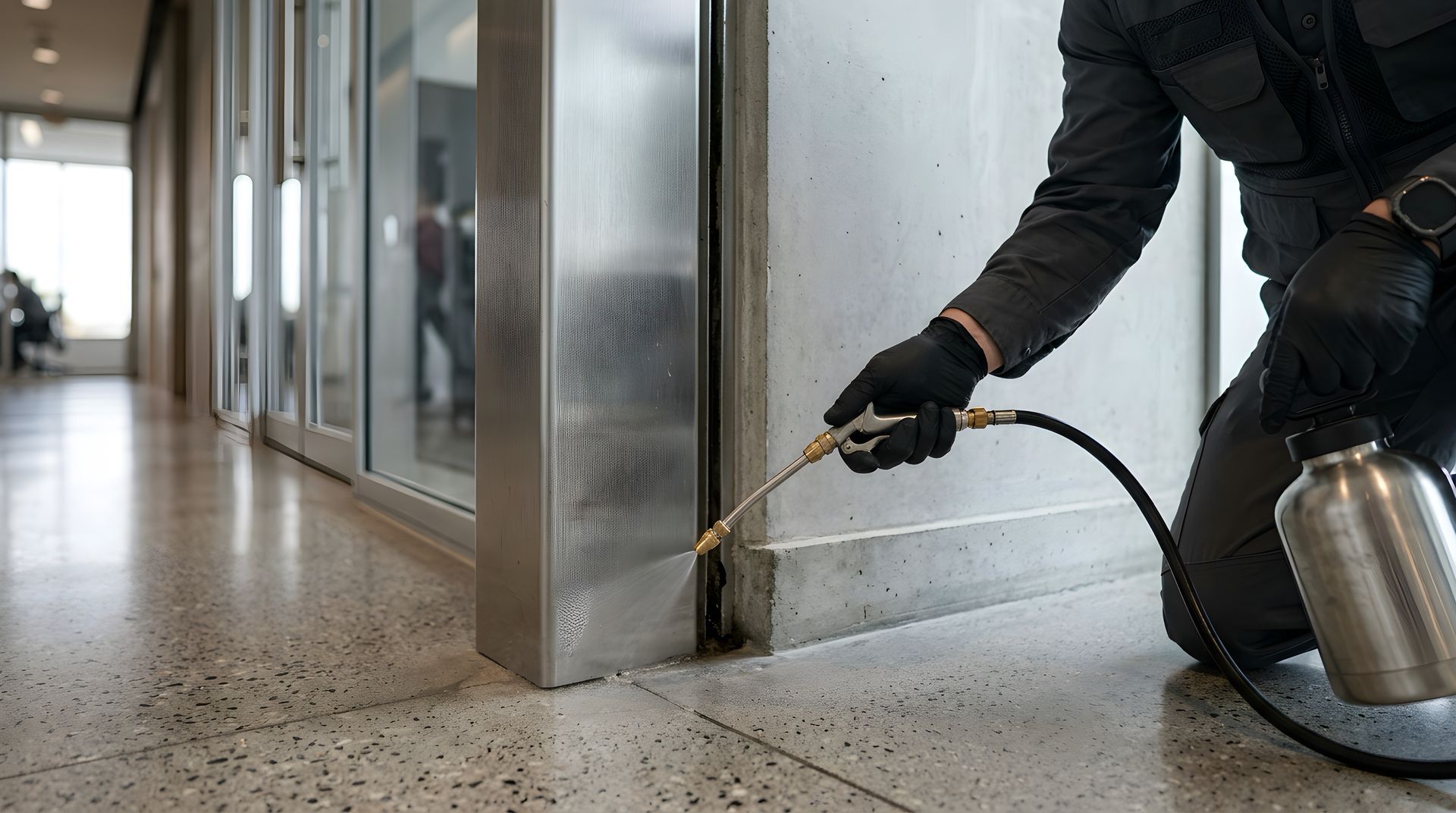
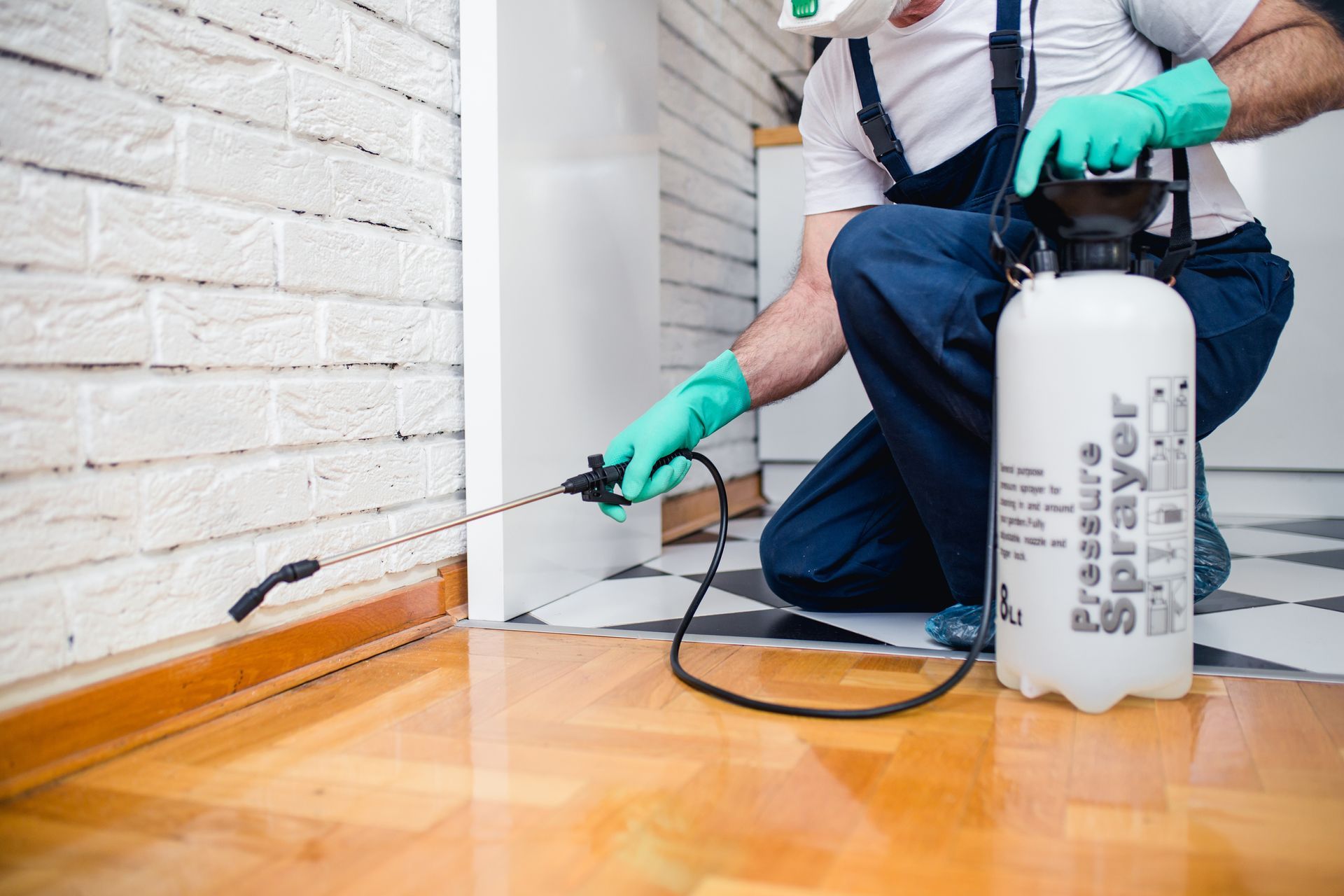
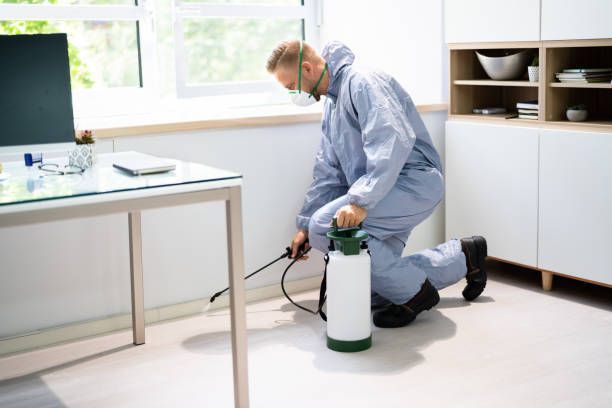
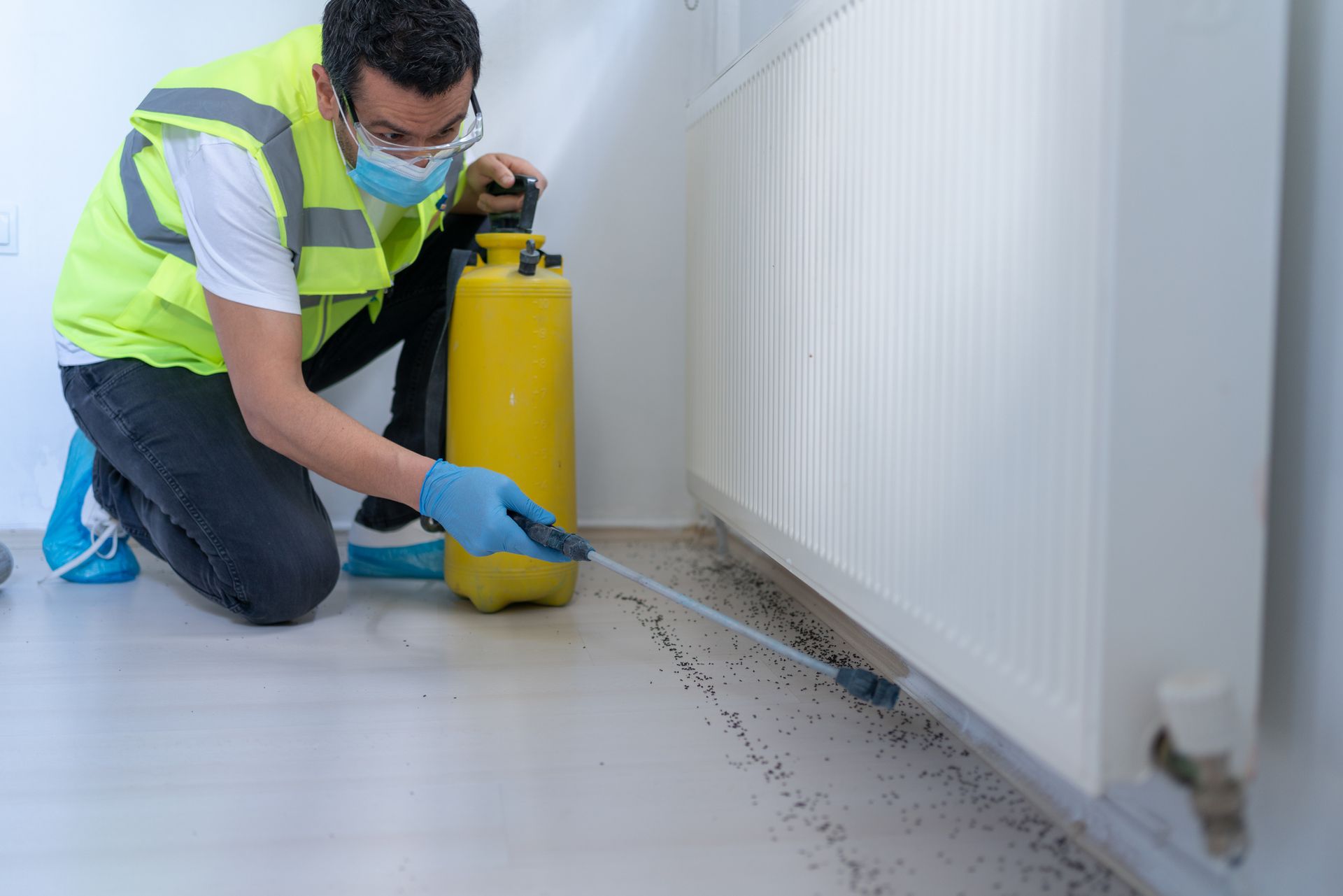
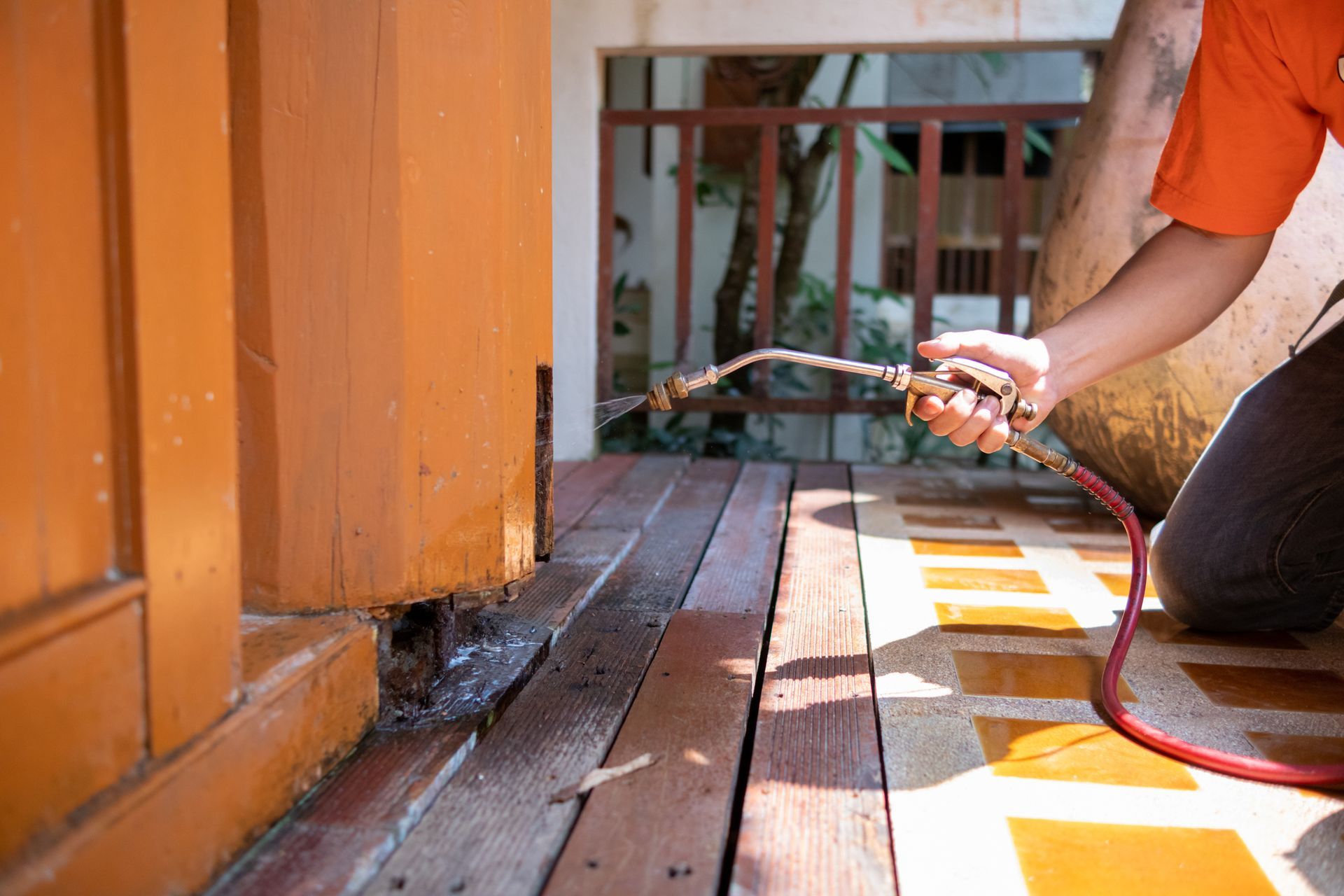
A trained specialist knows how to identify the problem, locate the colony, and recommend the right treatment method. They have equipment that reaches deep into the structure and keeps your home protected long after the service.
What Professionals Do
- They inspect your home for signs of hidden activity.
- They check for entry points and moisture conditions.
- They identify the type of insect present.
- They create a customized plan to protect your home.
- They offer long‑term prevention solutions.
Professional help is the best way to protect your home from growing colonies and expensive repairs.
Protect Your Home With the Right Support
Flying insects in your home can be stressful, but learning the differences between ants and termites helps you react calmly and quickly. Indoor swarmers are a strong sign that something may be wrong. Getting help fast protects your home and avoids long term damage. Call us at 985-467-0920 now for a free quote or send us a message to get started today.