
How Often Should You Schedule Commercial Termite Pest Control Inspections for Your Business?
Knowing how often to schedule commercial termite inspections can prevent serious structural damage. For businesses in Covington, LA, this question carries extra weight. The warm, humid climate of St. Tammany Parish creates conditions ideal for termite activity year-round. That makes commercial termite pest control an ongoing commitment, not a one-time event.
Why Covington Businesses Face Elevated Termite Risk
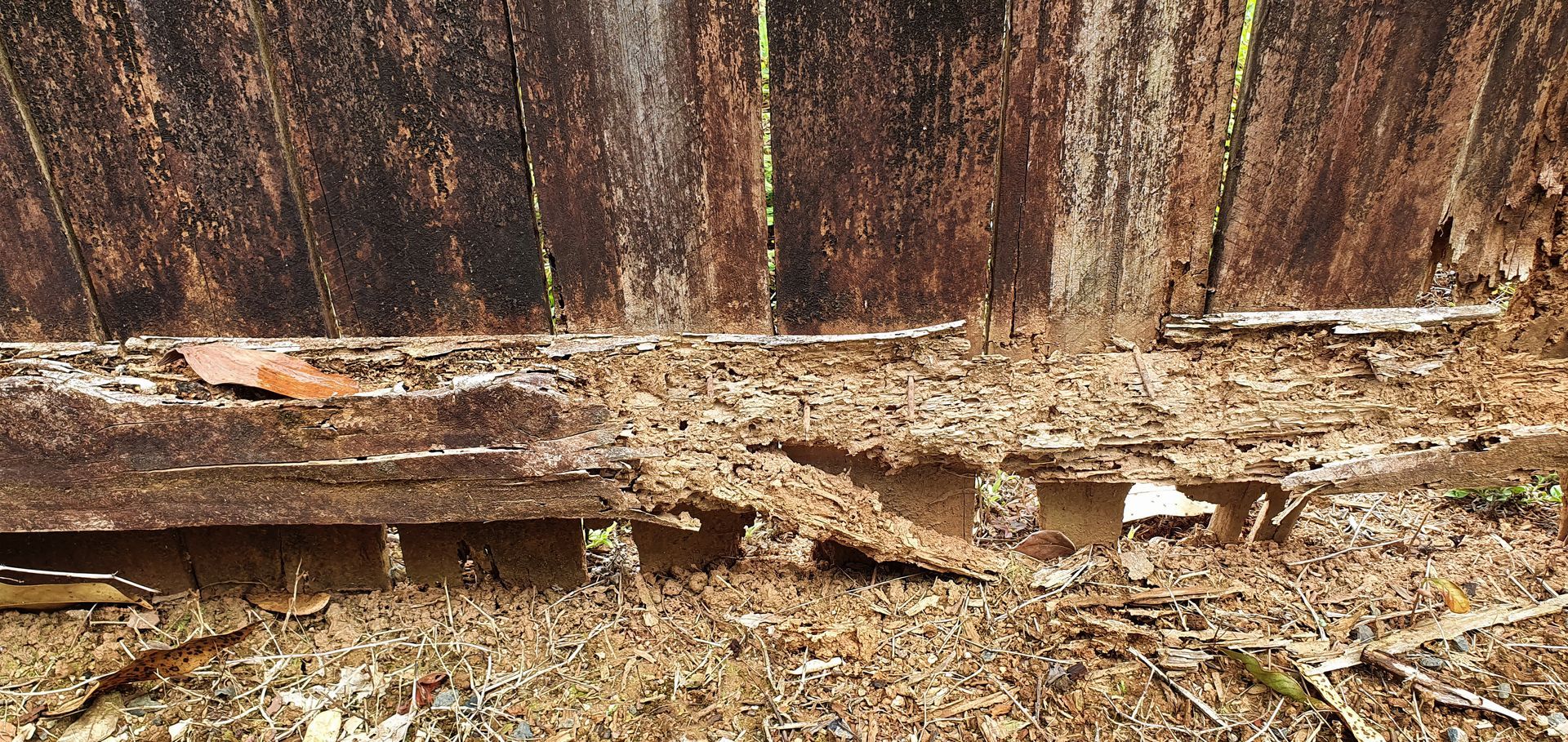
Covington sits at the fork of the Bogue Falaya and Tchefuncte Rivers. The alluvial soils, dense wooded areas, and consistent moisture near both rivers create near-perfect conditions for subterranean termite colonies. St. Tammany Parish falls within a moderate-to-heavy termite pressure zone, with both native subterranean and Formosan subterranean termite species active throughout the region.
The Formosan subterranean termite is especially significant. Unlike native species, Formosans can build nests both above and below ground. That makes them harder to detect and quicker to cause damage. Older wood-framed structures in Covington's historic downtown are particularly vulnerable.
For a local business, that risk is compounded by square footage. A restaurant, warehouse, or office building may have multiple entry points and structural components that are rarely visible during day-to-day operations. That makes consistent commercial termite pest control essential.
How Often Should Commercial Properties Schedule Termite Inspections?
Inspection frequency depends on property type and specific risk factors. Most commercial properties benefit from at least one professional inspection per year, though many in this region should consider more frequent checks.
Here is a breakdown by industry:
▸ Restaurants and Food Service: Semi-annual inspections are often the smarter choice. High moisture from kitchen operations, wood-framed interiors, and organic material in storage areas all accelerate termite activity. Staying ahead of termites also helps protect against health department scrutiny.
▸ Warehouses and Distribution Centers: Large floor plans with wood pallets and minimal foot traffic in remote corners make these buildings a common site for undetected damage. Annual inspections with quarterly monitoring station checks are a practical standard.
▸ Retail Spaces: Storefront properties should be reviewed at least annually. Pier-and-beam buildings carry higher risk than slab-on-grade construction.
▸ Professional Office Buildings: Annual inspections are generally sufficient for modern construction, though buildings near green spaces or with wood-heavy finishes may warrant semi-annual visits.
Louisiana regulations require termite monitoring contracts to include at minimum one inspection before the agreement expires. That is a floor, not a ceiling. High-risk commercial properties should go well beyond that baseline.
Signs Your Business Needs an Unscheduled Inspection
Certain conditions call for immediate action between scheduled visits. Contact a professional if you notice any of the following:
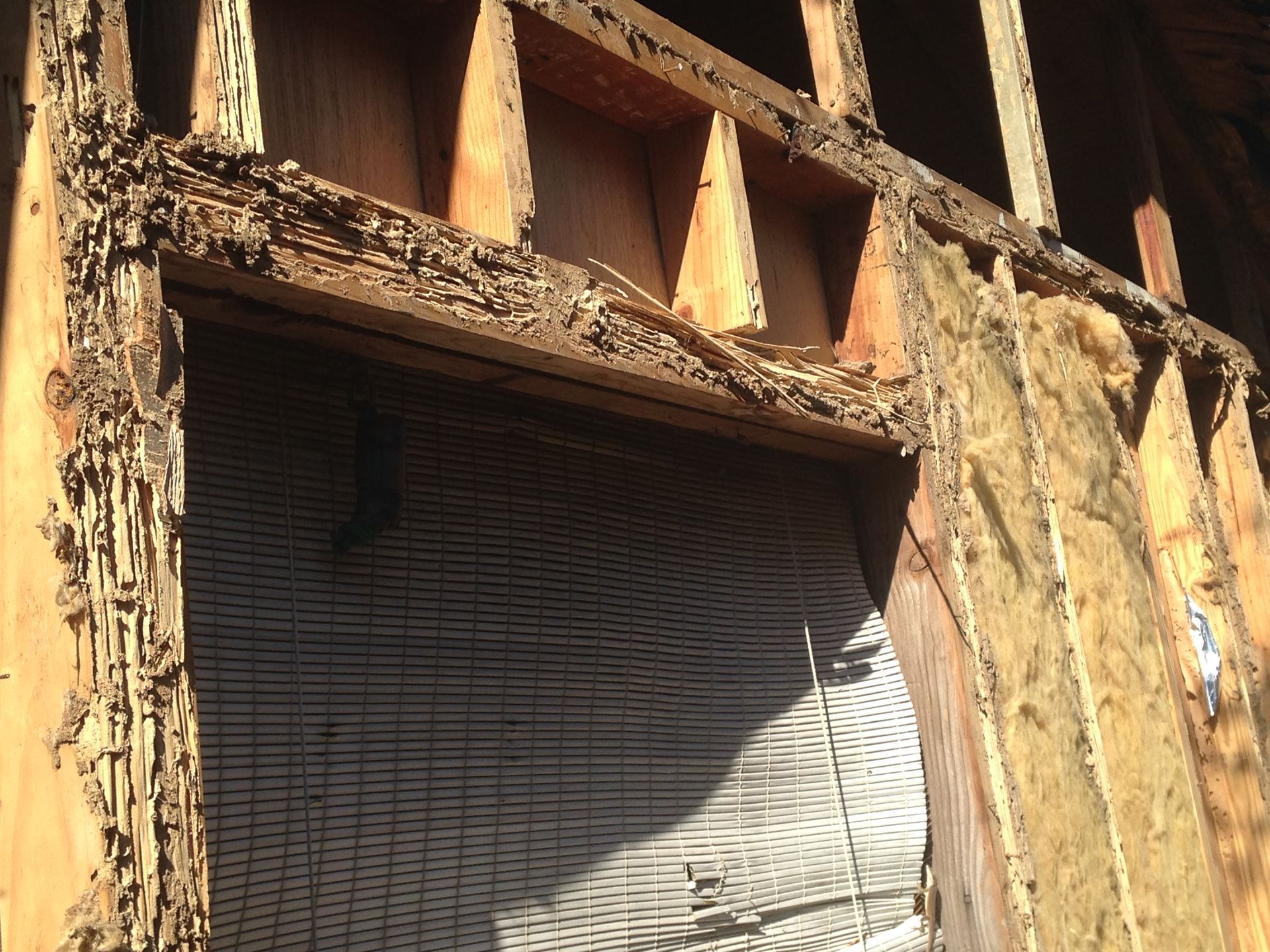
▸ Mud tubes along foundation walls, baseboards, or utility penetrations.
▸ Hollow-sounding wood in floors, door frames, or structural beams.
▸ Discarded wings near windows or entryways, especially after spring swarm season.
▸ Blistering or bubbling paint on wood surfaces without an obvious moisture source.
▸ Frass, the fine pellet-like material drywood termites leave behind.
Termite colonies can be active for months before signs become obvious, and commercial structures give them many places to hide.
How Commercial Contracts Differ from Residential Plans
Commercial termite pest control agreements are more complex than standard home plans. A business property has more square footage, greater regulatory exposure, and often tenant or lease obligations that require documented pest management. Key differences include:
▸ Inspection Documentation: Commercial contracts include written reports you can use for property records, insurance, or regulatory compliance.
▸ Monitoring Stations: Stations placed around the building perimeter are checked on a defined schedule.
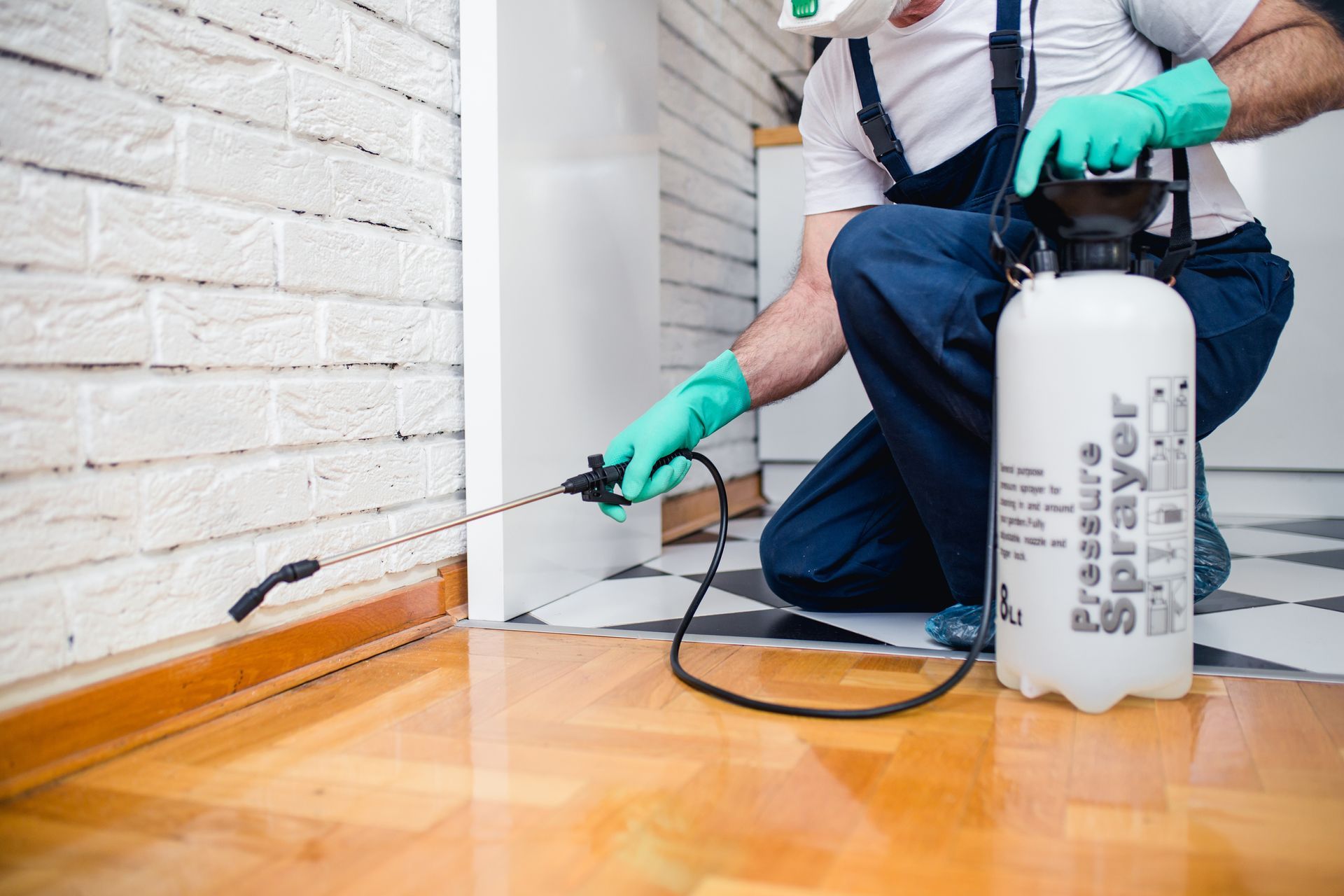
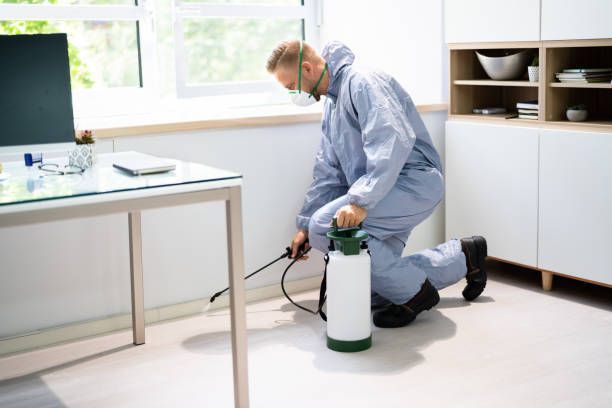
▸ Customized Treatment Plans: Commercial properties may require a mix of liquid barrier treatments and baiting systems based on construction type, soil conditions, and building history.
▸
Response Timelines:
Commercial agreements often include provisions for expedited response when active termite infestation is detected, minimizing business disruption.
Schedule Commercial Termite Pest Control Serving Covington
Waiting until termite damage becomes visible is one of the costliest decisions a business owner can make. Freedom Termite & Pest Control Inc. provides thorough commercial inspections, customized treatment plans, and monitoring contracts tailored to St. Tammany Parish conditions. Call 985-651-2075 or contact the team online to schedule a no-obligation consultation. You can also review commercial termite control options for Covington to learn more about what a full-service agreement can include for your property.