
Formosan vs. Eastern Subterranean Termites: What Covington, LA, Homeowners Need to Know in 2026
Two species put Covington, LA, homeowners at serious risk every year, and knowing which one you are dealing with may determine how fast your home sustains damage. St. Tammany Parish sits in one of the most pest-pressured regions in the United States, making termite awareness a critical part of homeownership on the Northshore. This article covers how Formosan and Eastern Subterranean termites differ, how to spot each one, what damage they cause, and when to call a professional serving Covington, LA.
Two Species Threaten St. Tammany Parish Homes
Louisiana hosts two primary subterranean types: the native Eastern Subterranean termite and the invasive Formosan subterranean termite. Formosan colonies, native to East Asia, arrived in the United States after World War II and were established in New Orleans by 1966. They have since spread to 42 of Louisiana's 64 parishes, including St. Tammany. According to Louisiana State University Agricultural Center, Louisiana is the most affected state for termite infestation in the country.
How Do Formosan and Eastern Subterranean Species Differ?
Both tunnel through soil and attack wood, but their capabilities are not equal.
Size and Appearance
Formosan insects tend to have longer bodies and teardrop-shaped heads. Eastern Subterranean insects are slightly smaller with a more rectangular head. Both are difficult to tell apart without close inspection. Formosan swarmers are typically yellowish-brown; Eastern Subterranean swarmers tend to be darker.
Colony Size and Aggression
An Eastern Subterranean colony may contain up to 3 million individuals. A Formosan colony can exceed 7 million. Formosan colonies are larger, more aggressive, and can build above-ground carton nests that store moisture, removing the need to return underground for water and allowing rapid expansion.
Nesting and Feeding Behavior
Eastern Subterranean termites must nest underground in moist soil and depend on consistent soil contact for water. Formosan colonies are far more adaptable, establishing nests in walls, attics, and even high-rise buildings. They prefer hardwoods but will attack softwoods as well.
Damage Patterns Covington Homeowners May See
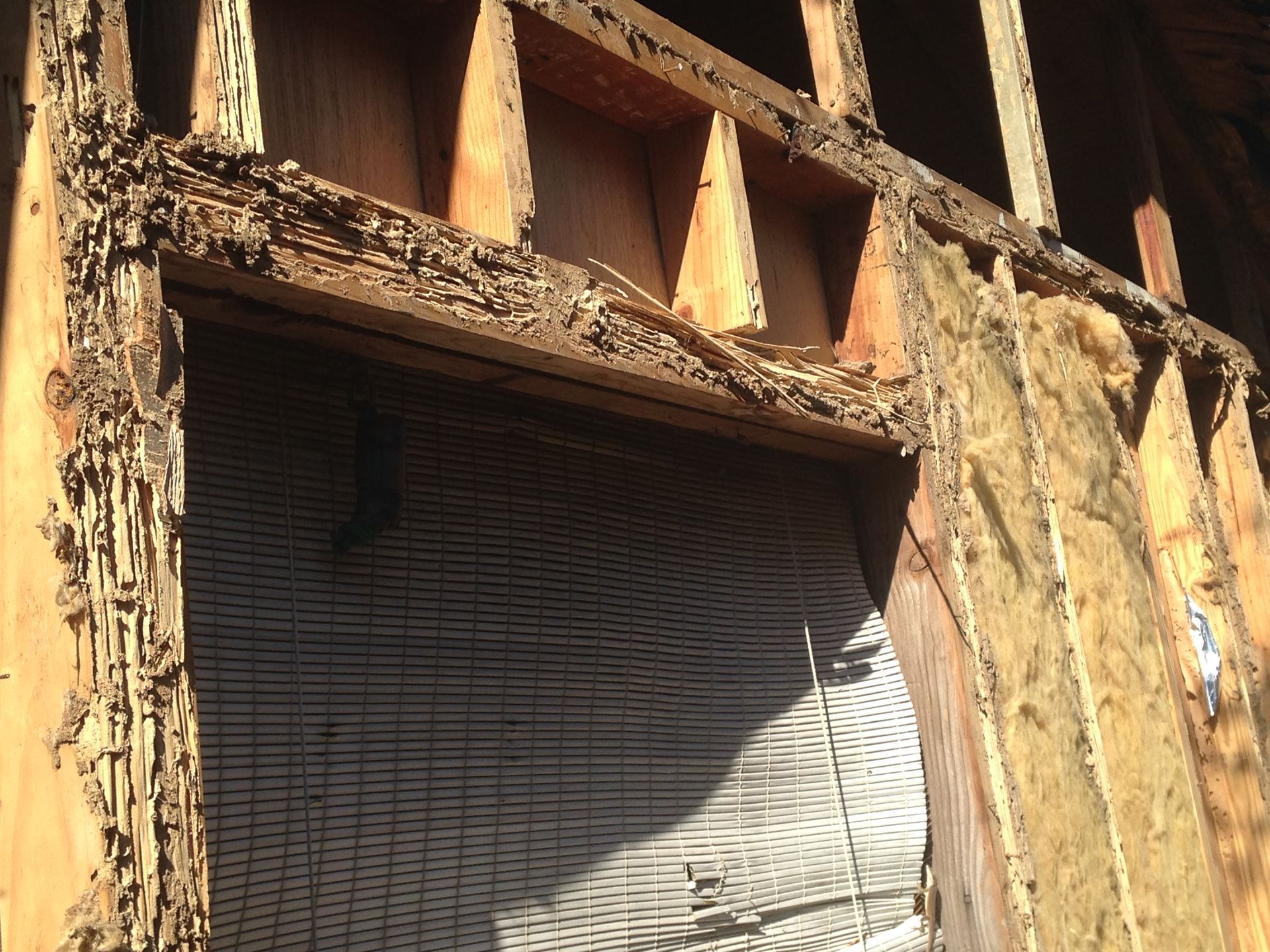
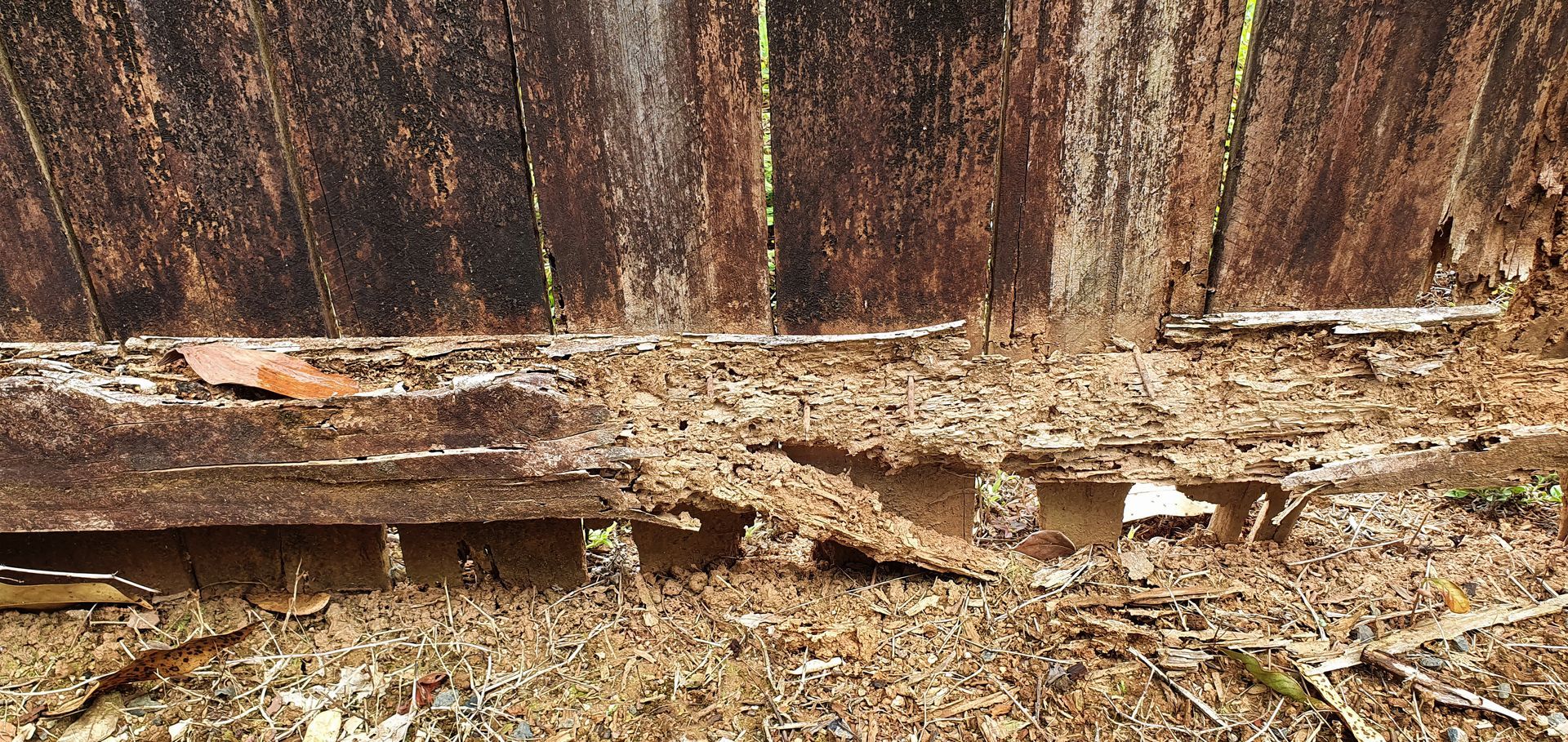
Eastern Subterranean colonies attack from the soil up, leaving pencil-width mud tubes along foundation walls, pier posts, and crawl space timbers. Formosan colonies produce the same tubes but can also damage wood far from the ground. Workers from one Formosan colony can cover 37,000 square feet, compared to roughly 11,000 square feet for an Eastern Subterranean colony.
Signs of termite activity to watch for include mud tubes along foundation walls or exterior siding, wood that sounds hollow when tapped, blistered or bubbled paint on interior walls, shed wings near windowsills or door frames after a swarm, and doors or windows that suddenly become difficult to open.
Louisiana Climate and Swarm Season Timing in 2026
Covington's warm, humid climate and abundant vegetation make it ideal habitat year-round. Eastern Subterranean termites typically swarm from February through May, during daylight hours, and are often mistaken for flying ants. Formosan swarmers fly at dusk on warm, humid, windless evenings, typically around Mother's Day through late June, and are more likely to appear after heavy rain when temperatures are near 80 degrees.
In 2026, video from the St. Tammany Parish Sheriff's Office captured a massive swarm surrounding a deputy's car during peak Formosan season, a stark reminder of the pest pressure local homeowners face. Swarmers seen outdoors indicate a nearby infestation. Swarmers found indoors, or large numbers of shed wings inside the home, strongly suggest an active infestation in the structure itself.
When Should You Call a Professional?
Call a licensed inspector any time you see mud tubes, hollow-sounding wood, or swarmers inside your home. Both species can work for months or years before visible damage appears, and Formosan colonies can compromise structural timbers far faster than native colonies.
A professional termite inspection identifies which species is present, locates active colonies, and recommends a treatment plan matched to your home's construction and risk level. For Covington homeowners with slab foundations, pier-and-beam homes, or properties bordered by trees and mulched landscaping, regular inspections are especially important. Contact a pest professional serving Covington, LA, before swarm season arrives each spring.
Can I Tell the Difference Between Termites and Flying Ants?
Yes. Termite swarmers have straight antennae, equal-length wings, and a broad waist. Flying ants have elbowed antennae, wings of unequal length, and a pinched waist. If you are unsure, collect a sample in a sealed bag and have a pest professional identify it before damage progresses.
Do Both Species Respond to the Same Treatment?
Generally yes, but the approach may vary. Both Formosan and Eastern Subterranean termites respond to liquid soil barrier treatments and bait station systems. Because Formosan colonies can nest above ground, a licensed inspector may recommend a combined strategy. A professional assessment is the only reliable way to determine the right course of action for your property.
Protect Your Covington Home Before the Next Swarm Season
The best time to act is before you ever see a swarm or find damage. Freedom Termite & Pest Control Inc. serves Covington, LA, and the surrounding Northshore communities with thorough inspections, customized treatment plans, and ongoing protection programs. Call (985) 467-0920 to schedule a free, no-obligation pest audit, or request your free inspection online. Find us on Google Maps and read what our neighbors have to say at Freedom Termite & Pest Control Inc.